Restaurant POS Cost: 7 Factors That Set the Price
Restaurant POS pricing depends on terminals, kitchen workflow, delivery integrations, inventory depth, hardware and support. Here is what drives the cost and how to keep it down.
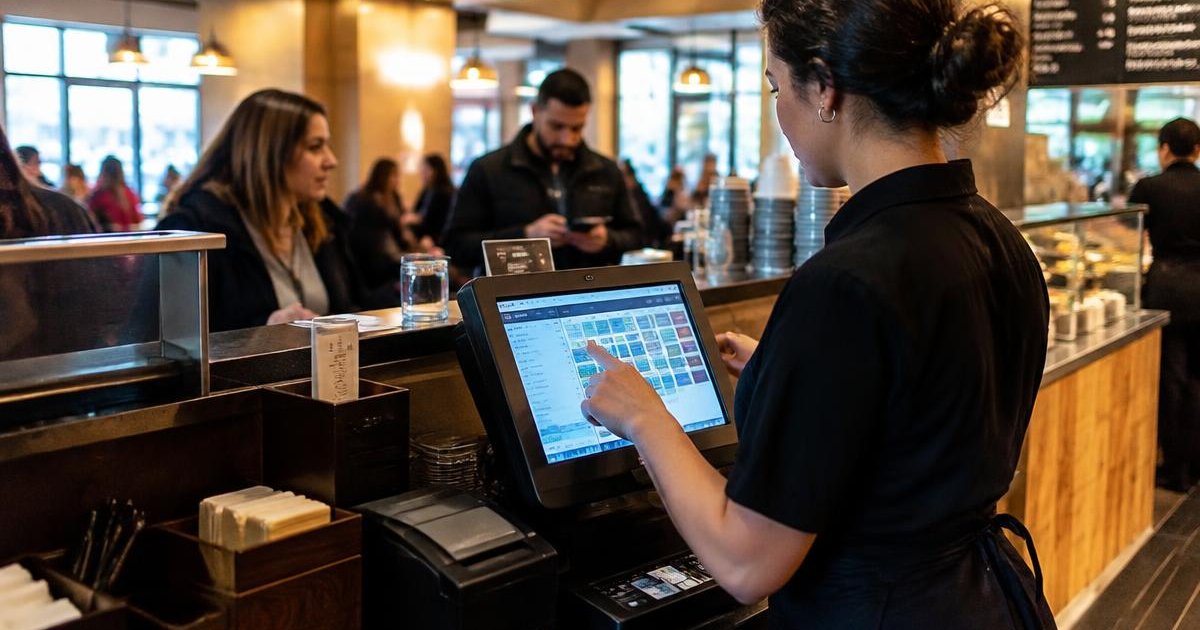
1. Terminals and outlets
Subscription POS products usually charge per terminal or per location every month. For a group with several outlets, that recurring cost often exceeds a one-time license over two to three years.
2. Kitchen workflow
Simple counters need one printer. Full-service restaurants need tickets routed to different stations, course timing and kitchen display screens. The more stations, the more setup.
3. Delivery integrations
Bringing orders from delivery apps and your own website into one queue saves re-keying but adds integration work for each channel.
4. Inventory depth
Item-level stock is quick to set up. Recipe-level inventory that deducts ingredients per dish takes longer but shows true food cost.
5. Hardware
Receipt and kitchen printers, cash drawers, barcode scanners, tablets and customer displays. Reusing existing hardware lowers cost.
6. Customization
Custom invoice layouts, loyalty rules, tax setups and reports. List must-haves first and leave nice-to-haves for later.
7. Support and updates
Budget for training, backups and support after go-live, not only the first install.
Key takeaways
- Per-terminal subscriptions add up fast for multi-outlet restaurants.
- Kitchen workflow and delivery integrations drive most customization effort.
- Recipe-level inventory pays for itself through lower food cost.
- A ready-made system plus targeted customization is usually the cheapest fit.
Working on something similar?
Talk it through with a senior engineer — no sales script, no obligation.
Request a free consultation